What Roof Removal Involves and When It’s Necessary
People searching for what roof removal involves and when it’s necessary are typically looking to understand the process and find local contractors who can safely handle the job.
If you’re exploring what roof removal involves and when it’s necessary, you’ve come to the right place. Property owners in the area often consider roof removal for reasons such as extensive damage, aging materials, or the need to upgrade to a different roofing style. Understanding the process can help you make informed decisions about your property’s needs, and local contractors are available to provide expert assistance every step of the way. Whether it’s a complete tear-off or a more targeted removal, knowing what’s involved ensures you’re prepared for the work ahead.
Deciding when roof removal is necessary depends on various factors, including structural issues, persistent leaks, or significant wear that can’t be resolved through repairs alone. When the time comes to replace a roof, experienced service providers can handle the removal safely and efficiently, preparing the surface for a new roofing system. Keeping informed about what roof removal entails and recognizing the signs that it’s needed can help property owners plan effectively and connect with the right local professionals to get the job done properly.
- Complete roof removal - needed when a roof has extensive damage or outdated materials, with local contractors carefully dismantling the existing structure.
- Roof replacement - required during major repairs or upgrades, where service providers remove the old roof to install a new one efficiently.
- Roof tear-off for renovation - necessary when remodeling or expanding a building, with local pros removing the existing roof to prepare for new construction.
- Storm or weather damage removal - essential after severe weather events, as local contractors clear away damaged roofing to prevent further issues.
- Asbestos or hazardous material removal - needed when old roofs contain hazardous substances, with specialists safely removing the roof for proper disposal.
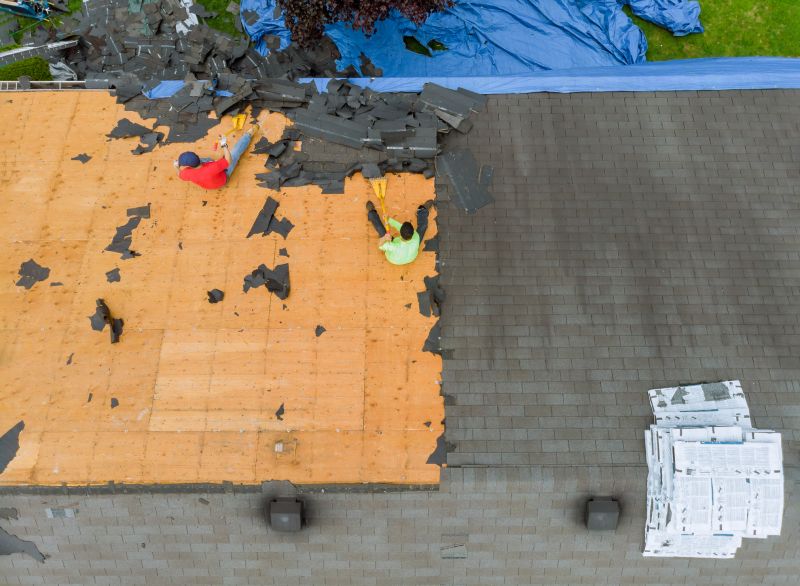
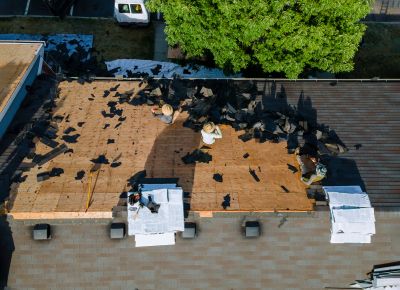
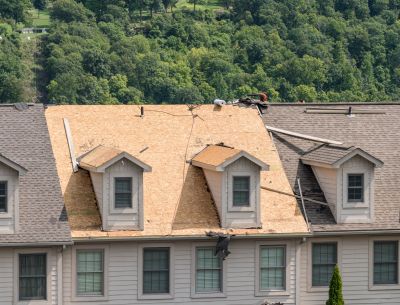
Understanding what roof removal involves and when it’s necessary helps homeowners make informed decisions about their property projects. Typically, roof removal is the process of carefully taking off existing roofing materials to prepare for a new roof installation or significant repair. This step is often required when old, damaged, or deteriorated roofing cannot be repaired effectively or when a homeowner plans to upgrade their roofing system for better durability or appearance. The process involves stripping away shingles, tiles, or other roofing layers, inspecting the underlying structure for damage, and preparing the surface for the new roofing material. Local contractors who specialize in roof removal can ensure this work is done safely and efficiently, minimizing potential issues during the project.
People usually search for this topic when they are considering replacing an aging roof or undertaking a major renovation that involves the roofing system. Common problems that prompt roof removal include extensive leaks, widespread shingle or tile damage, or signs of structural decay beneath the surface. In some cases, homeowners might be planning to change the style or material of their roof, such as switching from asphalt shingles to metal or tile. Roof removal is also necessary when inspections reveal compromised decking or framing that could jeopardize the integrity of the entire roof. These projects are often part of larger home improvement plans, especially when the existing roof has reached the end of its lifespan or has suffered significant weather-related damage.
The types of properties that typically involve roof removal projects include residential homes, especially those with older or traditional roofing styles. Single-family houses are common candidates, particularly when the roof has visible signs of wear or damage. Multi-family dwellings, such as apartment buildings or condominiums, may also require roof removal during renovations or upgrades. Additionally, some commercial properties with flat or low-slope roofs might need removal if the existing roofing system is failing or if a new, more durable material is desired. Local service providers who specialize in roof removal are equipped to handle a variety of property types, ensuring that the process aligns with the specific needs and structural considerations of each project.
When it comes to determining if roof removal is necessary, it often depends on the condition of the existing roof and the goals of the project. If a roof has sustained significant damage from storms, persistent leaks, or widespread deterioration, removal is usually the best course of action before installing a new roof. In cases where a homeowner is upgrading materials or changing the roof’s design, removal becomes an essential step to ensure proper installation. Local contractors can assess the current state of a roof and advise whether removal is needed to achieve the desired results. Understanding what roof removal involves and when it’s necessary helps homeowners plan their projects effectively, ensuring that the work is performed safely and properly by experienced professionals.
Roof deck replacement - involves removing and replacing the roof decking, requiring similar skills in tear-off, debris removal, and structural assessment as roof removal projects.
Attic insulation removal - often involves stripping existing insulation, which shares planning and safety considerations with roof removal to ensure proper access and safety protocols.
Chimney removal or repair - requires careful demolition and structural work, paralleling roof removal in terms of planning and the use of specialized tools for safe dismantling.
Gutter and fascia replacement - involves removing damaged or outdated components, similar to roof removal in terms of working at heights and handling roofing materials.
Siding removal and installation - shares the process of tearing off exterior layers, requiring similar planning, tools, and safety measures as roof removal services.
Skylight removal or installation - involves working with roofing membranes and structural elements, closely related to roof removal tasks and planning considerations.
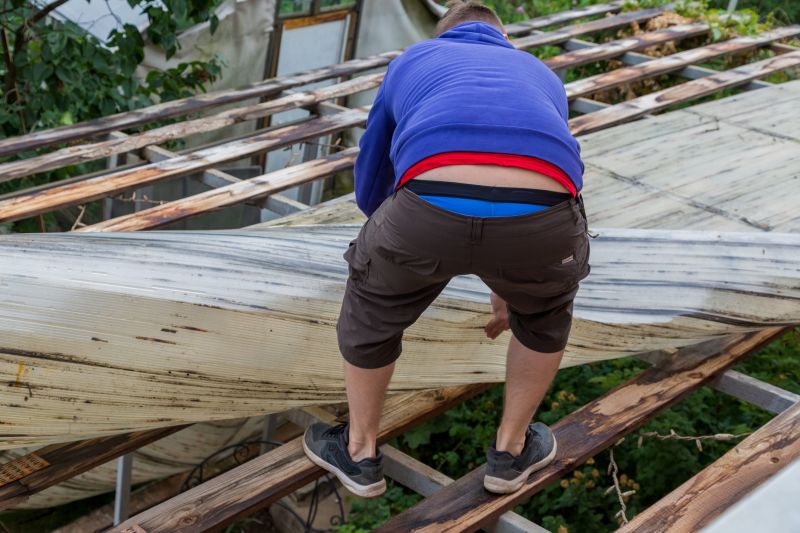
When comparing local contractors for roof removal, it’s important to assess their experience with similar projects. Homeowners should look for service providers who have a proven track record of handling roof removals comparable to their own needs, whether it involves removing old shingles, addressing underlying damage, or preparing a roof for a new installation. An experienced contractor is more likely to understand the nuances of different roofing materials and structures, helping to ensure the project is completed efficiently and correctly. Gathering information about past work can provide insight into their familiarity with the process of what roof removal involves and when it’s necessary, reducing the risk of unexpected issues during the job.
Clear written expectations are essential when evaluating potential service providers. Homeowners should seek contractors who can provide detailed descriptions of what the roof removal process entails, including the scope of work, safety considerations, and cleanup procedures. Transparent communication about what to expect helps ensure everyone is on the same page and can prevent misunderstandings. Reputable local contractors will be willing to outline their approach and clarify any questions about the scope of the project, giving homeowners confidence in their understanding of what roof removal involves and when it’s necessary.
Reputable references and good communication are key factors when choosing a local contractor for roof removal services. Homeowners are encouraged to ask for references from previous clients who had similar work done, as this can reveal how well the contractor manages projects and communicates throughout the process. A service provider that maintains clear, open lines of communication and responds promptly to questions demonstrates professionalism and reliability. These qualities help ensure that homeowners can stay informed about the progress, address concerns early, and feel confident that the contractor understands the specifics of what roof removal involves and when it’s necessary for their particular situation.
Property owners often search for what roof removal involves and when it’s necessary when they are planning practical projects around their homes and businesses. Local pros provide Roof Removal services for everyday jobs and straightforward project options.
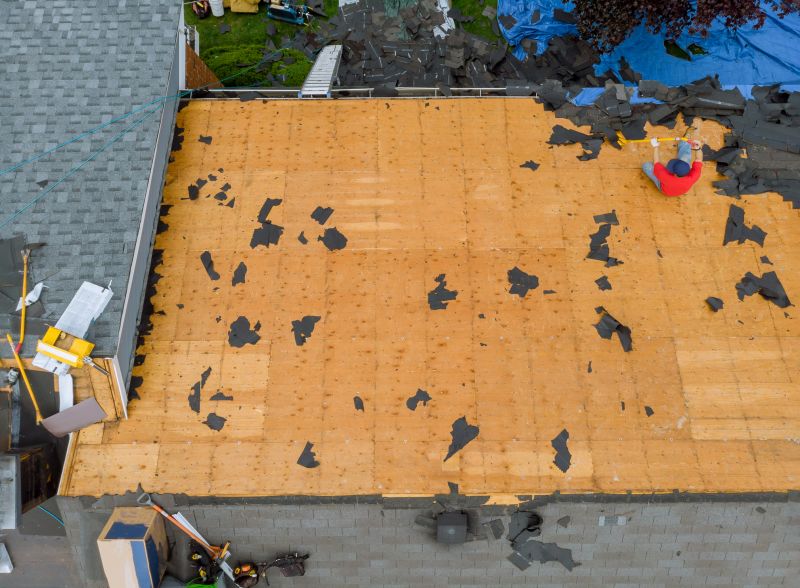
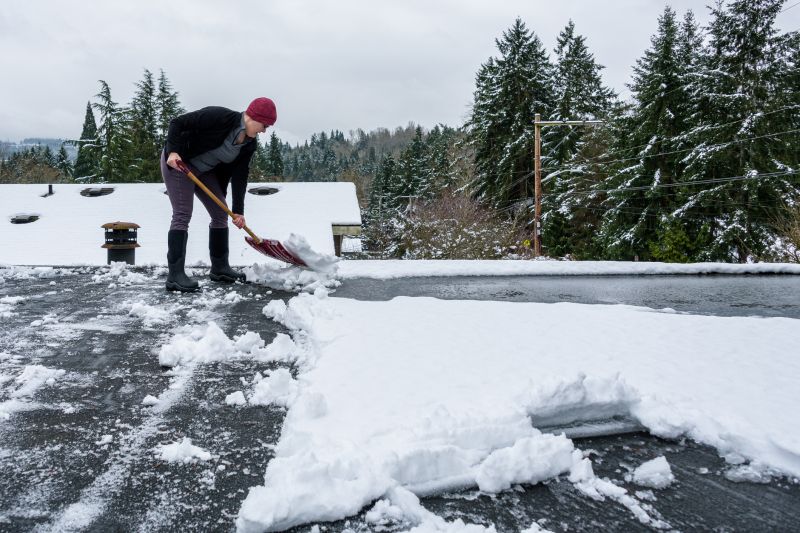
Understanding what roof removal involves and when it’s necessary can help property owners in the area make informed decisions about their roofing projects. Typically, roof removal is part of a larger process that includes replacing an aging or damaged roof, upgrading to a different roofing material, or preparing a structure for significant repairs. Everyday situations that might lead someone to seek roof removal services include extensive wear and tear, leaks that can’t be fixed with repairs alone, or the need to address underlying issues like rotting wood or structural damage. Local contractors can assess the condition of a roof and determine if removal is the best step forward, ensuring the project is handled efficiently and properly.
Homeowners and property managers often look into roof removal services when planning a complete roof replacement or dealing with a roof that has suffered severe damage from storms or other events. In some cases, old or deteriorating roofing materials need to be stripped away before a new layer can be installed, especially if the existing roof has multiple layers or structural concerns. Knowing when roof removal is necessary can save time and resources, making it a critical part of the decision-making process. Local service providers are equipped to handle these projects, offering the expertise needed to remove old roofing safely and prepare the surface for a new roof installation.
What does roof removal involve? Roof removal involves carefully stripping away the existing roofing materials, including shingles, underlayment, and decking, to prepare the structure for a new roof or repairs. Local contractors use specialized tools and techniques to ensure the process is safe and efficient.
When is roof removal necessary? Roof removal is typically necessary when the existing roof is severely damaged, has extensive leaks, or when a complete replacement is required due to aging or structural issues. Service providers can assess whether removal is needed based on the condition of the roof.
How do local pros handle roof removal safely? Local service providers follow safety protocols by using proper equipment, securing the work area, and managing debris properly to prevent damage or injury during the removal process.
Can roof removal be part of a roof replacement project? Yes, roof removal is a common step in roof replacement projects, allowing contractors to inspect the underlying structure and install new materials effectively.
What signs indicate that a roof might need removal? Signs include widespread shingle damage, persistent leaks, sagging areas, or visible deterioration of the roofing materials, prompting homeowners to seek professional assessment and potential removal services.
Assessing roof condition - property owners can evaluate the state of their roof to determine if removal is needed due to damage or aging.
Planning for roof replacement - understanding what roof removal involves helps property owners prepare for a full or partial roof replacement project with local contractors.
Identifying signs of structural issues - recognizing when underlying damage requires roof removal ensures timely intervention by service providers.
Deciding on roof material updates - choosing to upgrade or change roofing materials may involve removal, so property owners can consult local pros for guidance.
If you are thinking about what roof removal involves and when it’s necessary for a property, this guide is meant to help you understand this topic, the typical project types, and how different options might fit your plans.
When you are ready, you can use the quote form on this page to share a few details about your project. From there, local pros can review the basics and follow up with options that match what you have in mind.